


Utah
Rules, Guidelines, and How to Complete the Slam
Four Native Trout
One Great Utah Adventure
The Utah Cutthroat Slam is more than a fishing challenge. It is an opportunity to explore Utah’s rivers, streams, lakes and mountains while learning about and supporting the conservation of the state’s native cutthroat trout.
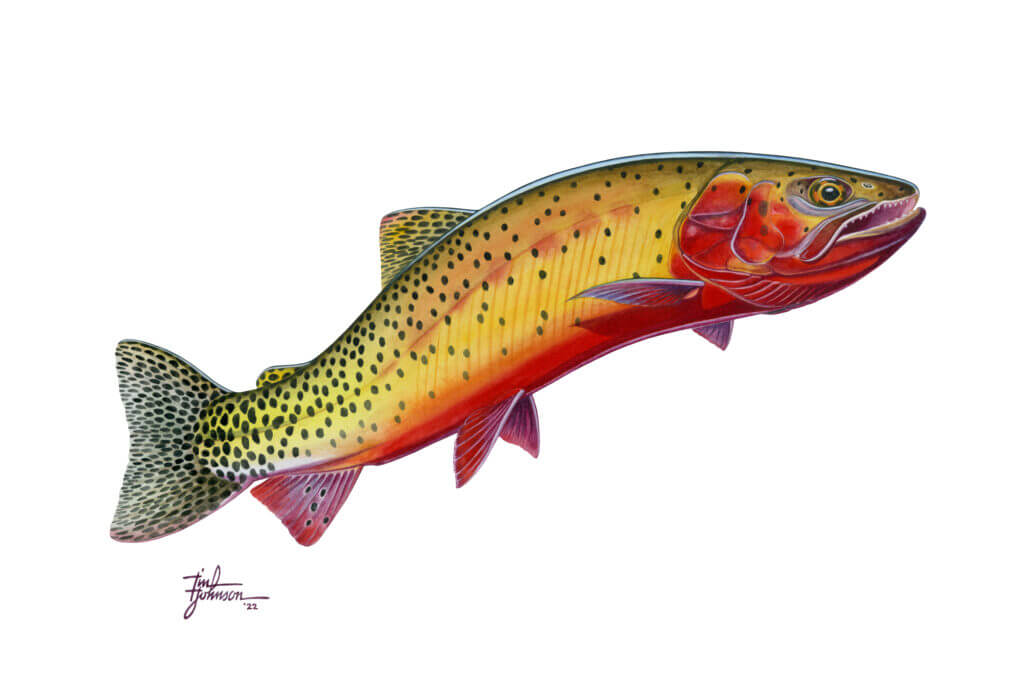
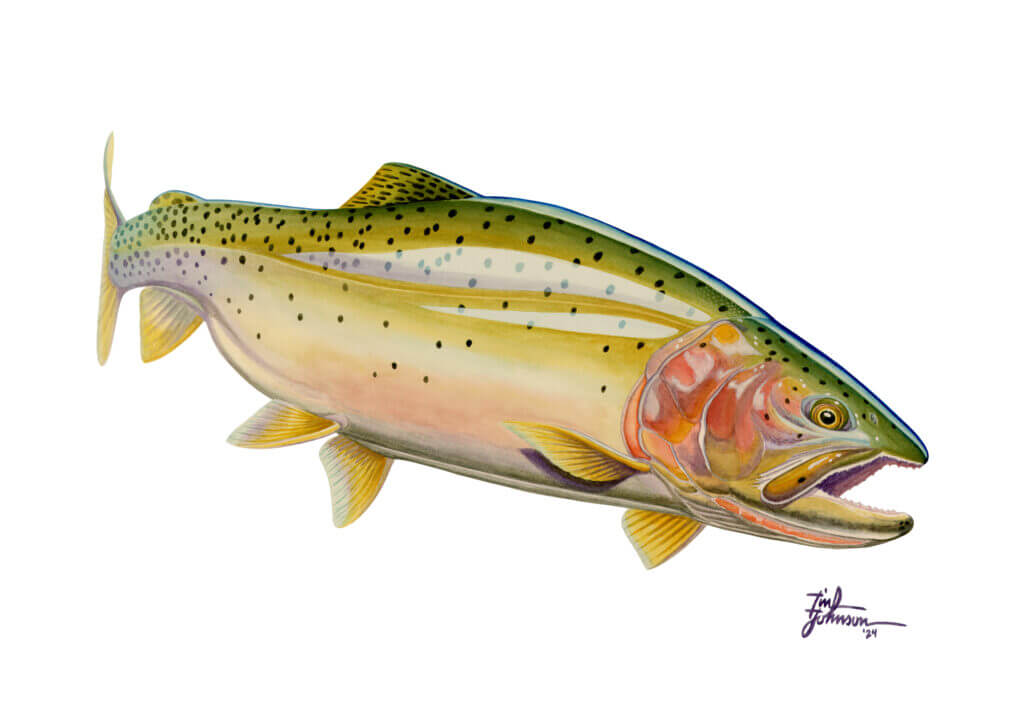
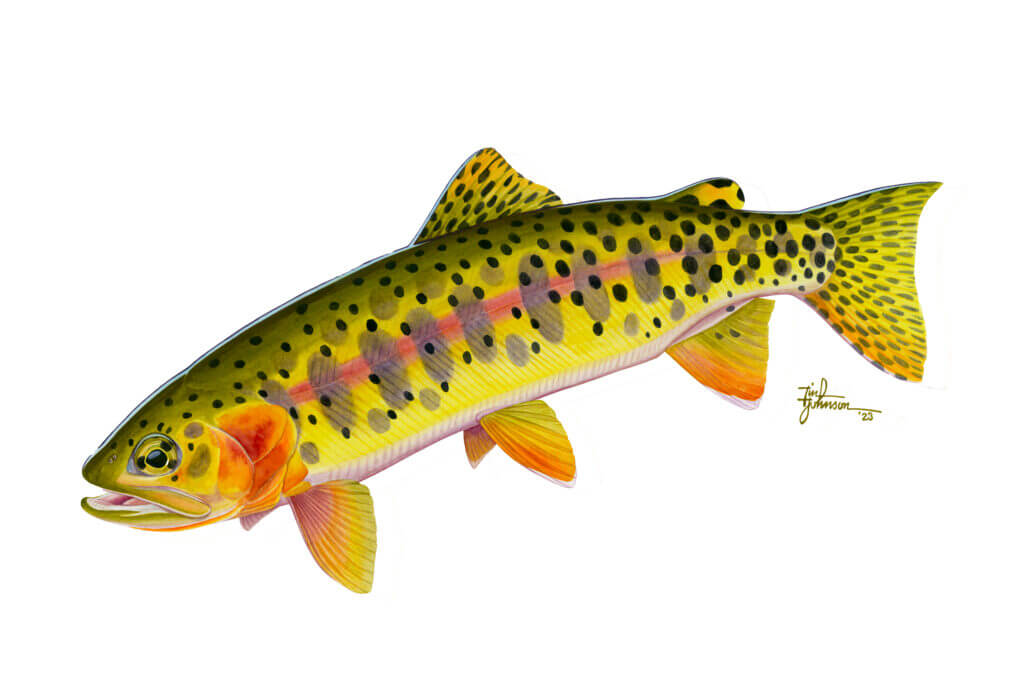
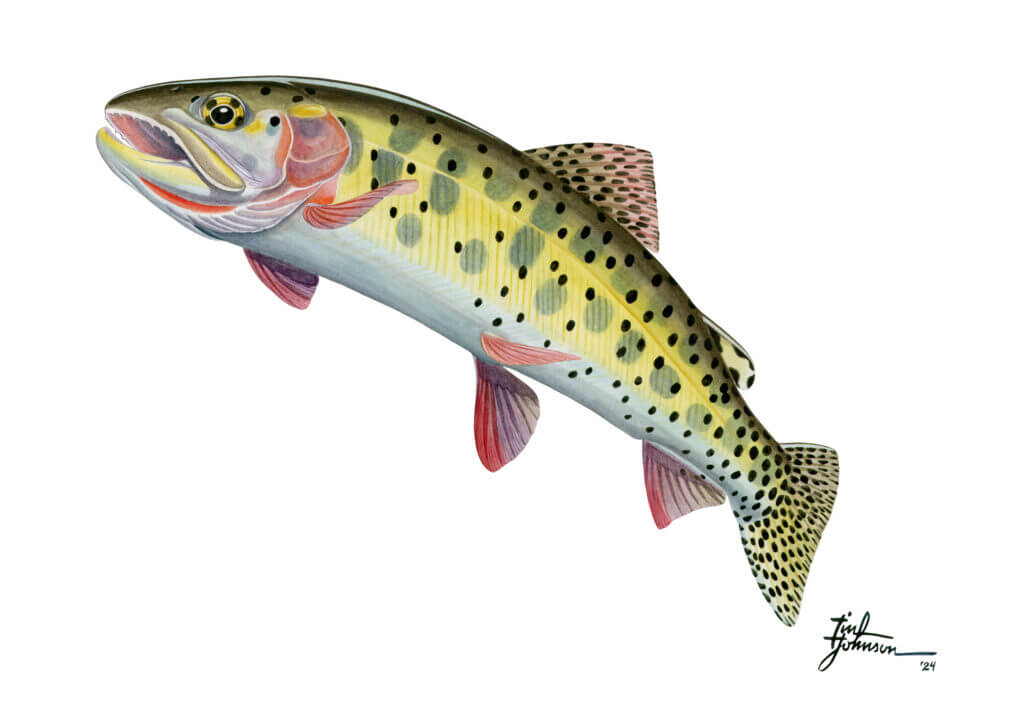
To complete the Slam, anglers must catch and photograph each of Utah’s four native cutthroat trout subspecies within their historic native range:
- Bonneville Cutthroat Trout
- Bear River Cutthroat Trout
- Colorado River Cutthroat Trout
- Yellowstone Cutthroat Trout
Once all four catches have been documented and approved, anglers receive an official Utah Cutthroat Slam certificate, a commemorative medallion and recognition as a completed Slam angler.
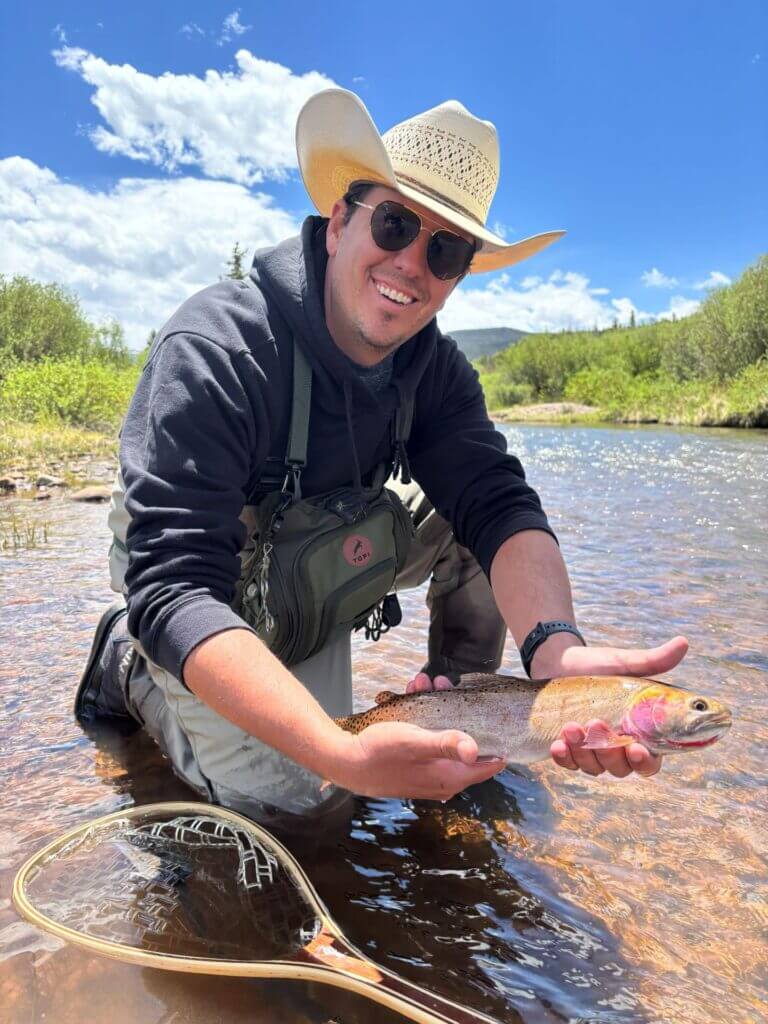
The Official Slam Rules
1. Register before catching your Slam fish
Anglers should register for the Utah Cutthroat Slam before catching any fish intended to count toward the Slam. A new registration is required for each new Slam.
Registration is available through the Utah Division of Wildlife Resources or at participating license agents. The Slam registration fee is currently $20 for adults and $10 for youth under 18.
Slam registrations never expire, so do not feel pressured to complete the Slam within a limited amount of time. Take your time and enjoy the adventure.
Slam registration is separate from a Utah fishing license. You must also possess any fishing license or permit required by Utah law for the waters you are fishing.
Anglers may purchase multiple Utah Cutthroat Slam registrations at one time. However, each Slam is intended to be completed in its entirety before beginning another Slam.
2. Catch all four native Utah cutthroat species
You must catch one of each of the following:
- Bonneville Cutthroat Trout – Bonneville Basin in Utah
- Bear River Cutthroat Trout – Bear River drainage, including Bear Lake and its native tributaries in Utah
- Colorado River Cutthroat Trout – Colorado River and Green River drainages in Utah
- Yellowstone Cutthroat Trout – Snake River drainage in northwestern Utah
The fish must be caught within the subspecies’ historic native range to qualify.
Some of Utah’s cutthroat trout may reside outside of their native range, and therefore cannot be counted towards a Slam submission. See rule #5 below.
Before fishing, consult the Utah Cutthroat Slam maps and individual subspecies pages to determine whether your destination is within an eligible native range.
3. The fish must be a pure cutthroat
The Slam is intended to celebrate Utah’s native cutthroat trout subspecies.
Cutthroat trout + rainbow trout = hybrids called “cutbows” which do not qualify.
Cutthroat trout can vary dramatically in appearance depending on the water they inhabit. Color, spotting patterns and body shape are not always reliable indicators of subspecies.
When in doubt, consider:
- The presence and appearance of the characteristic cutthroat jaw slash
- Overall spotting patterns (cutthroat tend to have few, larger spots, unevenly distributed across the body)
- Fin coloration and spotting (cutthroat trout will never have white fin edges)
- Body coloration
- The known fish populations in the water you are fishing
- Whether the water is within the native range of the subspecies
Most importantly, the drainage where the fish was caught is the primary factor used to determine its subspecies. We cannot truly identify cutthroat subspecies from their looks alone, as there are limitless variations in phenotypic appearance, even among members of the same subspecies.
If you are uncertain about a fish, take a clear photograph and contact the Utah Cutthroat Slam before assuming it qualifies.
4. Special consideration: Weber River drainage
The Weber River drainage deserves special attention.
Because of historical interactions between Bear River and Bonneville cutthroat populations, cutthroat trout caught in the Weber River drainage may be counted toward either the Bear River or Bonneville Cutthroat requirement.
However:
A Weber River drainage fish can count for only ONE Slam requirement — not both.
For example:
- If you use a Weber River drainage fish as your Bonneville Cutthroat, you must catch your Bear River Cutthroat within the Bear River/Bear Lake drainage.
- If you use a Weber River drainage fish as your Bear River Cutthroat, you must catch your Bonneville Cutthroat in a different Bonneville Basin drainage.
You cannot submit two Weber drainage catches for both subspecies.
5. Certain stocked populations do not qualify
Not every cutthroat trout found in Utah is part of a native population.
The Slam recognizes fish caught within their historic native range, rather than simply anywhere that a particular subspecies has been stocked.
For example, cutthroat trout caught from Strawberry Reservoir, Scofield Reservoir, Panguitch Lake, and any of their tributaries cannot be counted toward the Slam, because these waters contain Bear Lake cutthroat that were introduced outside their historic native range for sportfishing purposes.
When planning your Slam, always check the current Utah Cutthroat Slam maps and the information pages for the individual subspecies.
6. Follow all Utah fishing regulations
The Utah Cutthroat Slam does not replace or modify Utah fishing regulations.
You are responsible for knowing and following the regulations that apply to the water you are fishing.
Regulations can vary from one water to another.
Always consult the current Utah Fishing Guidebook before your trip.
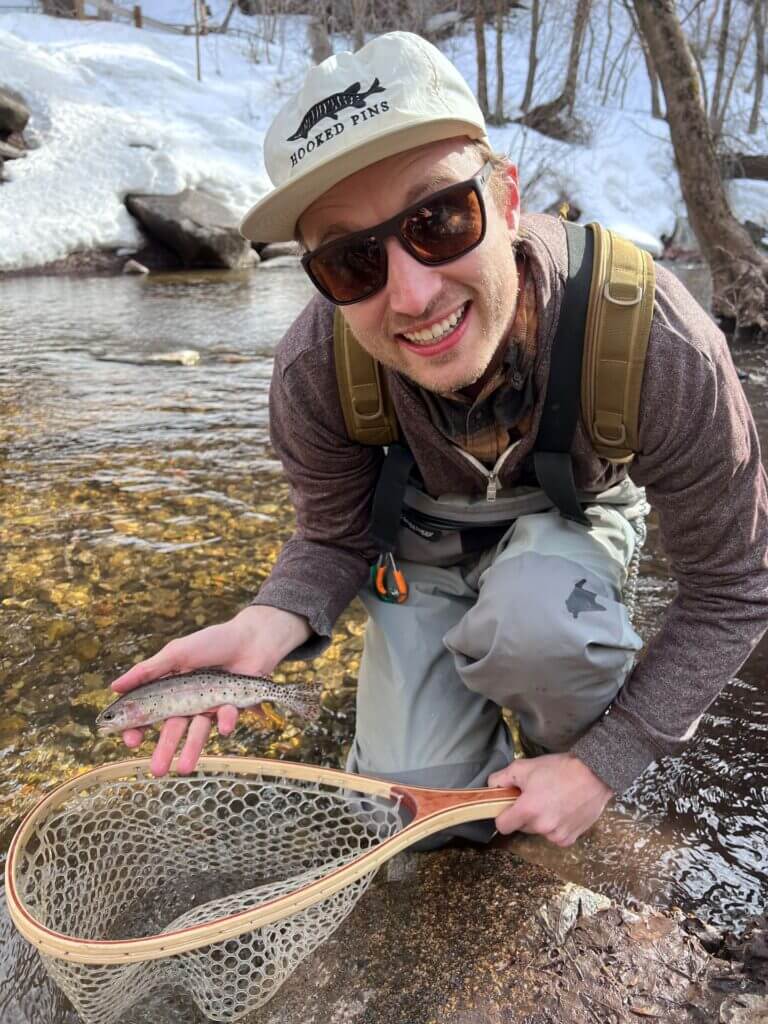
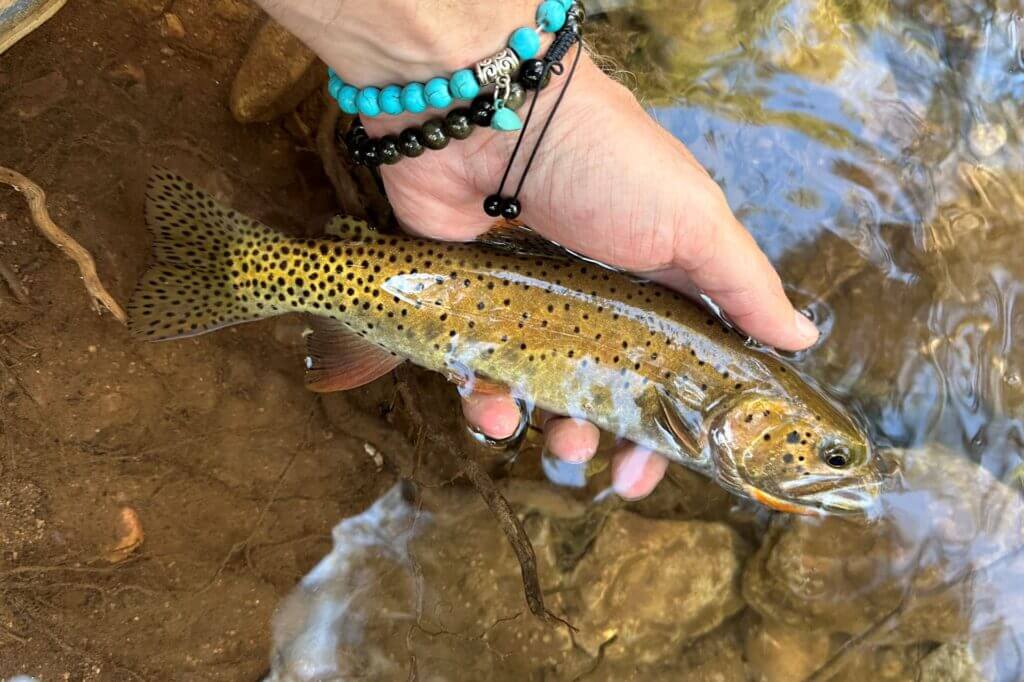
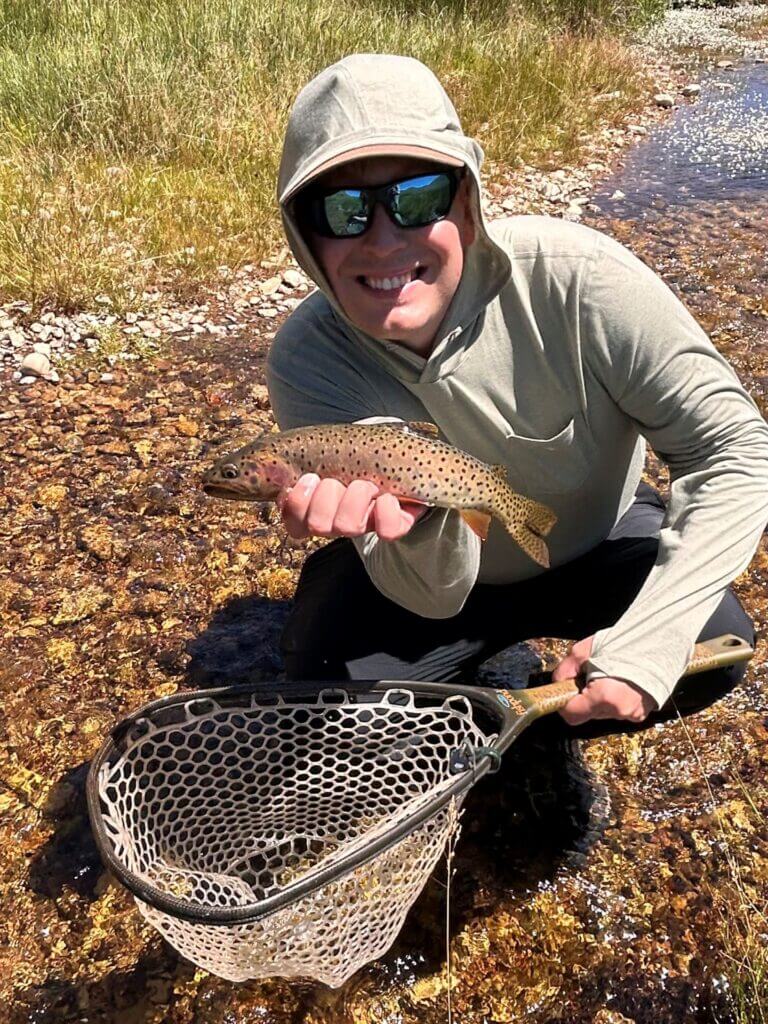
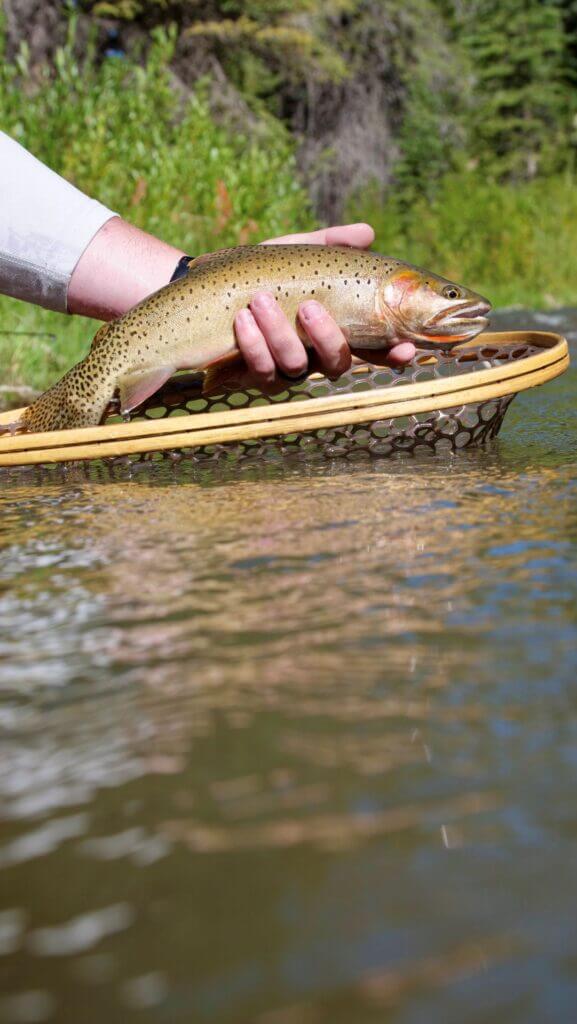
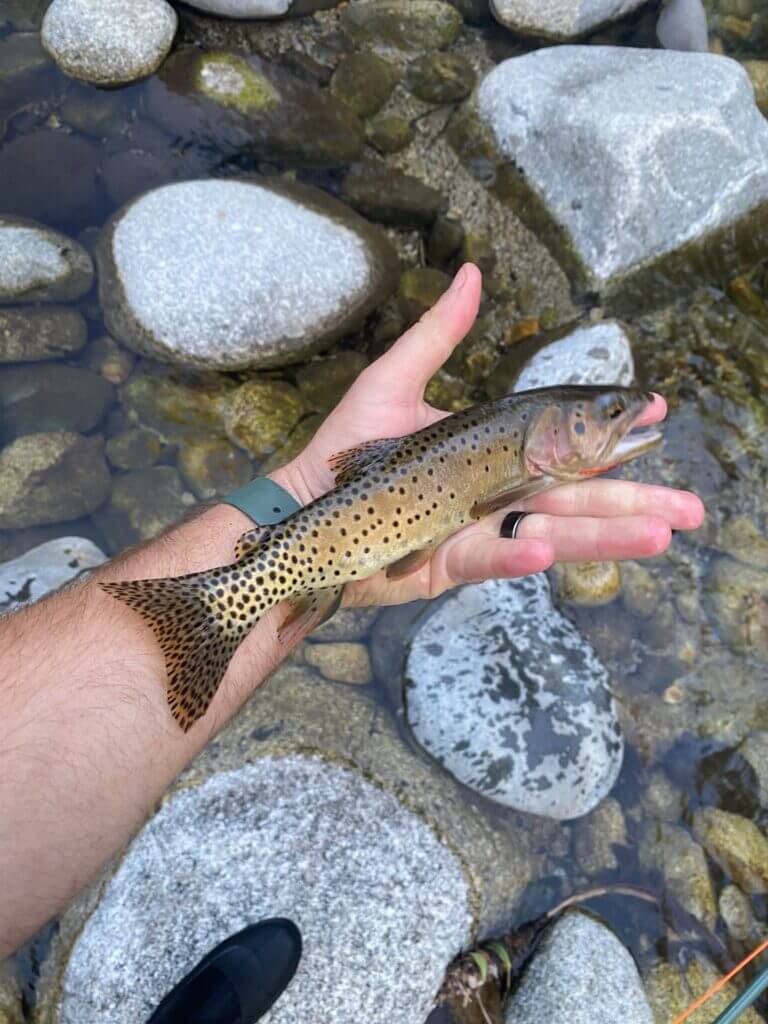
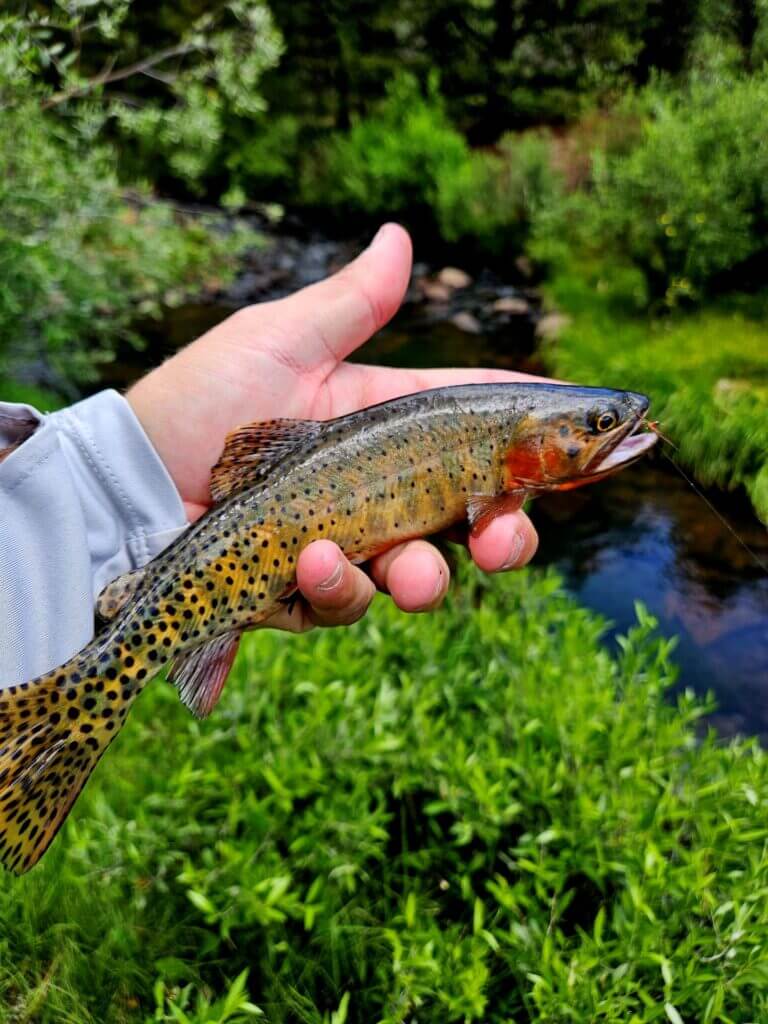
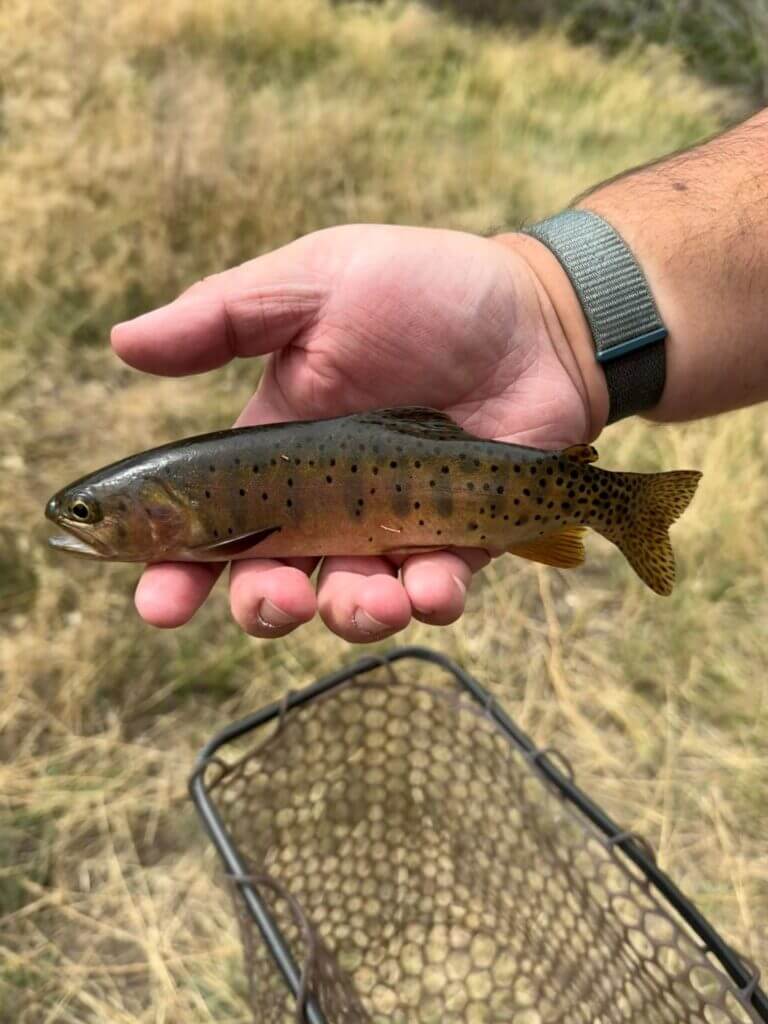
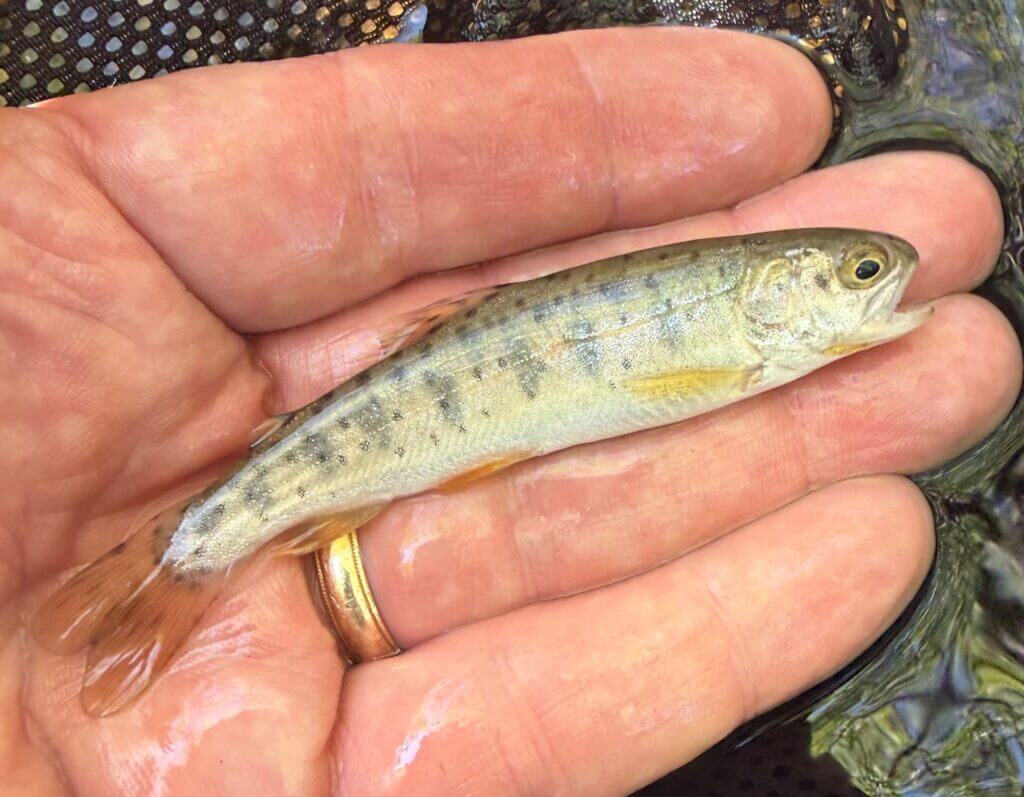
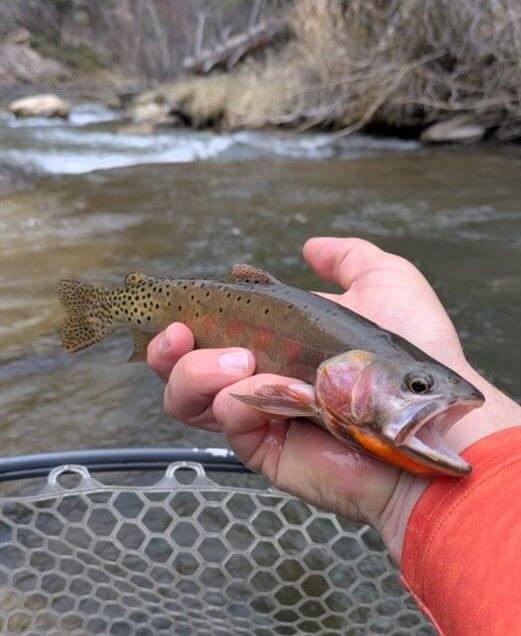
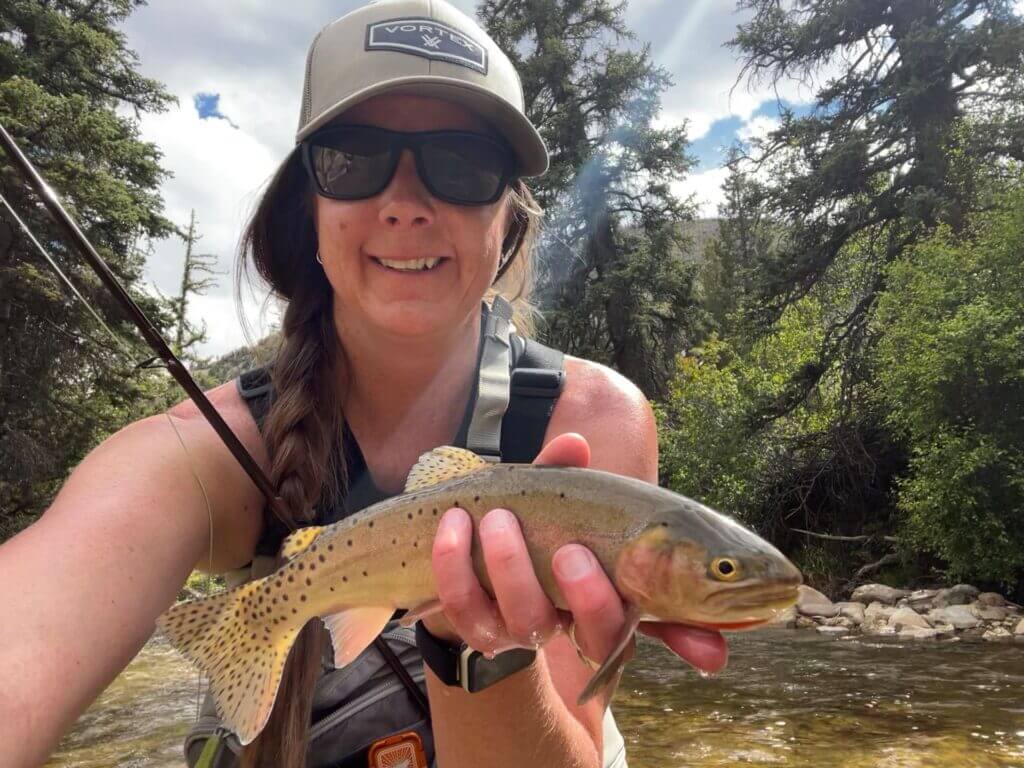
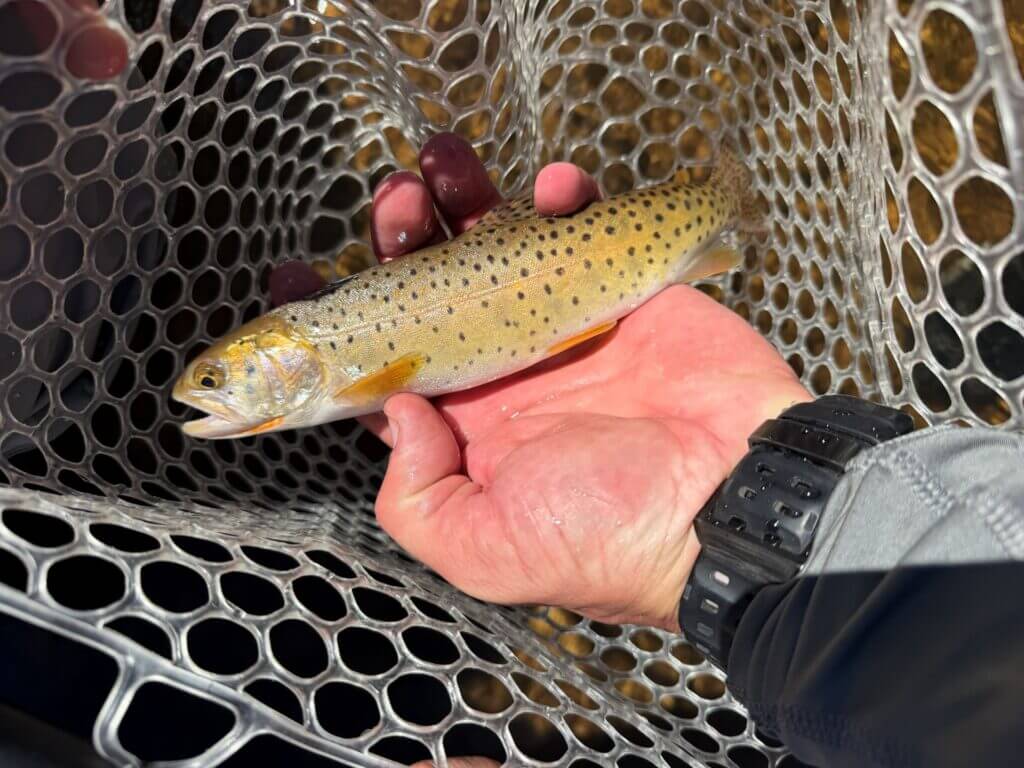
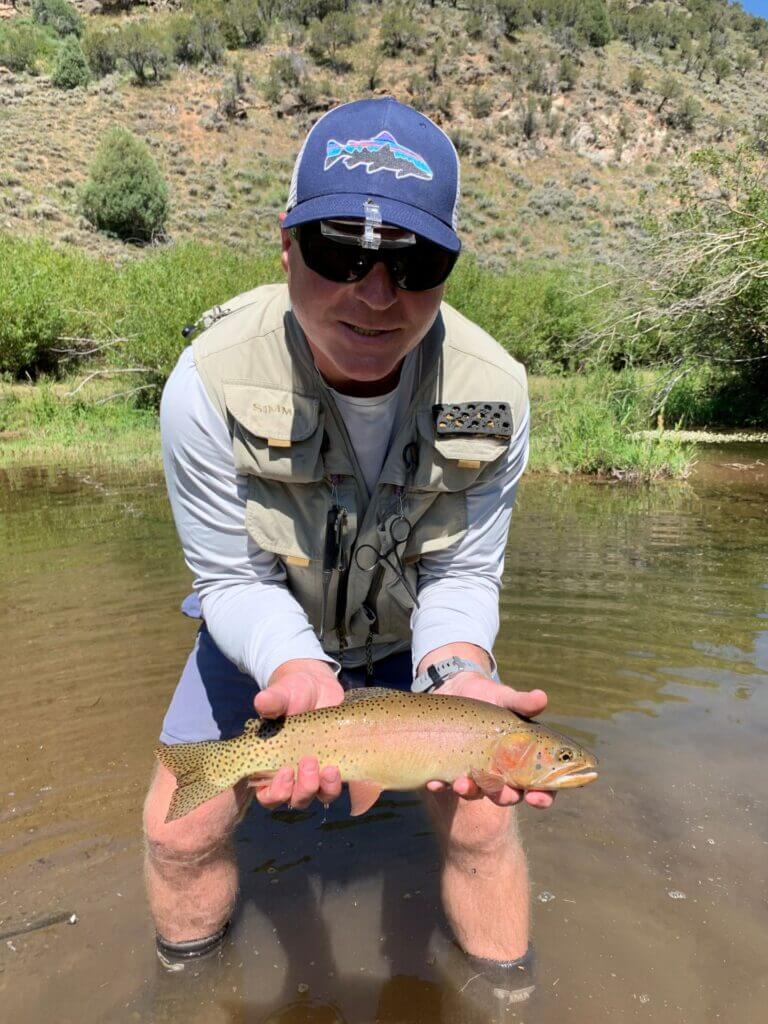
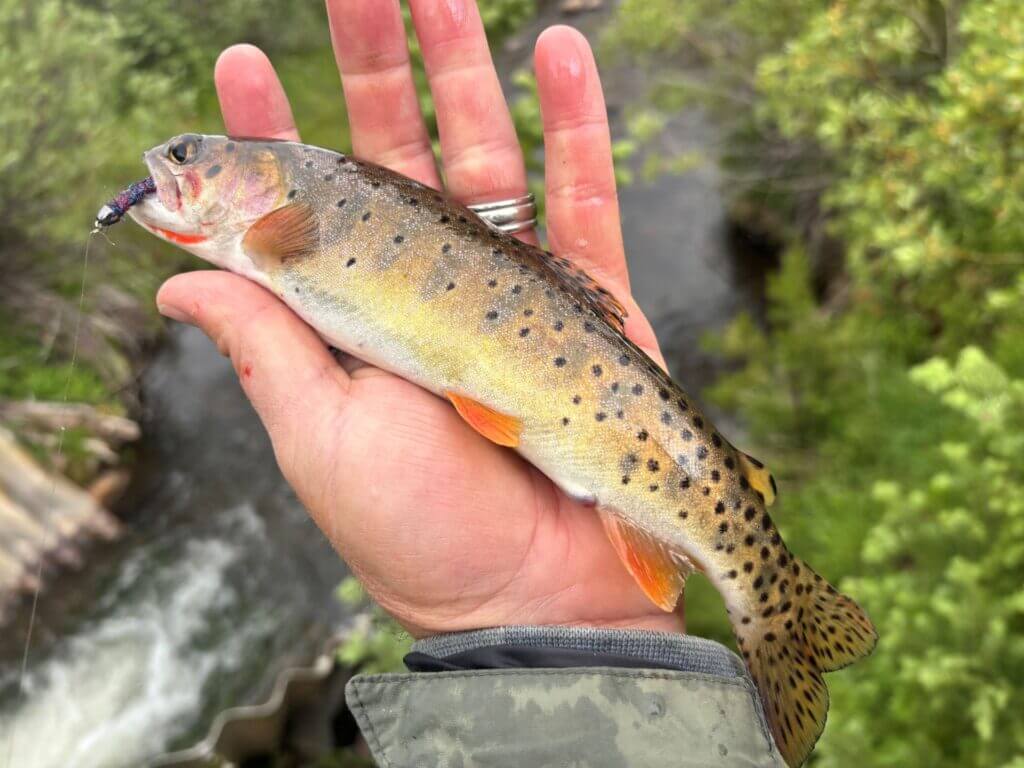
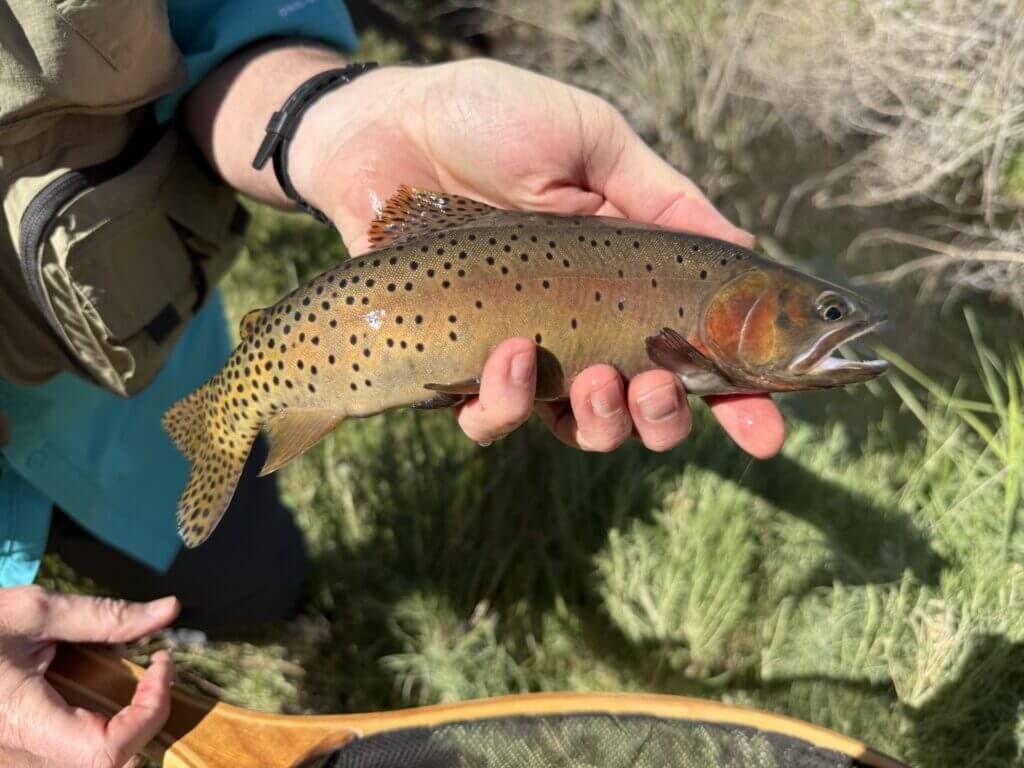
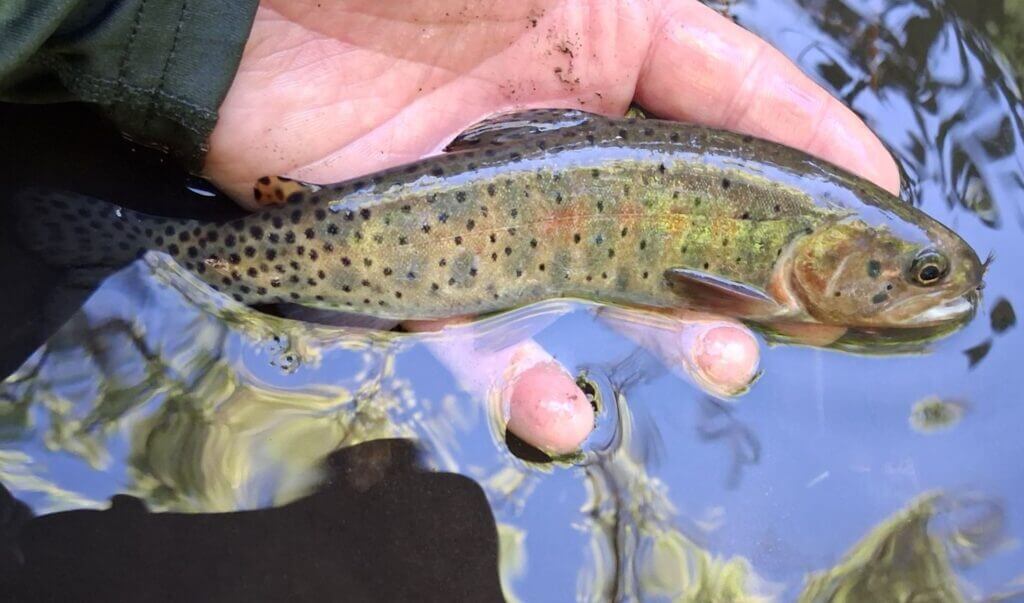
7. Photograph your catch
Each Slam fish must be photographed so that the catch can be verified.
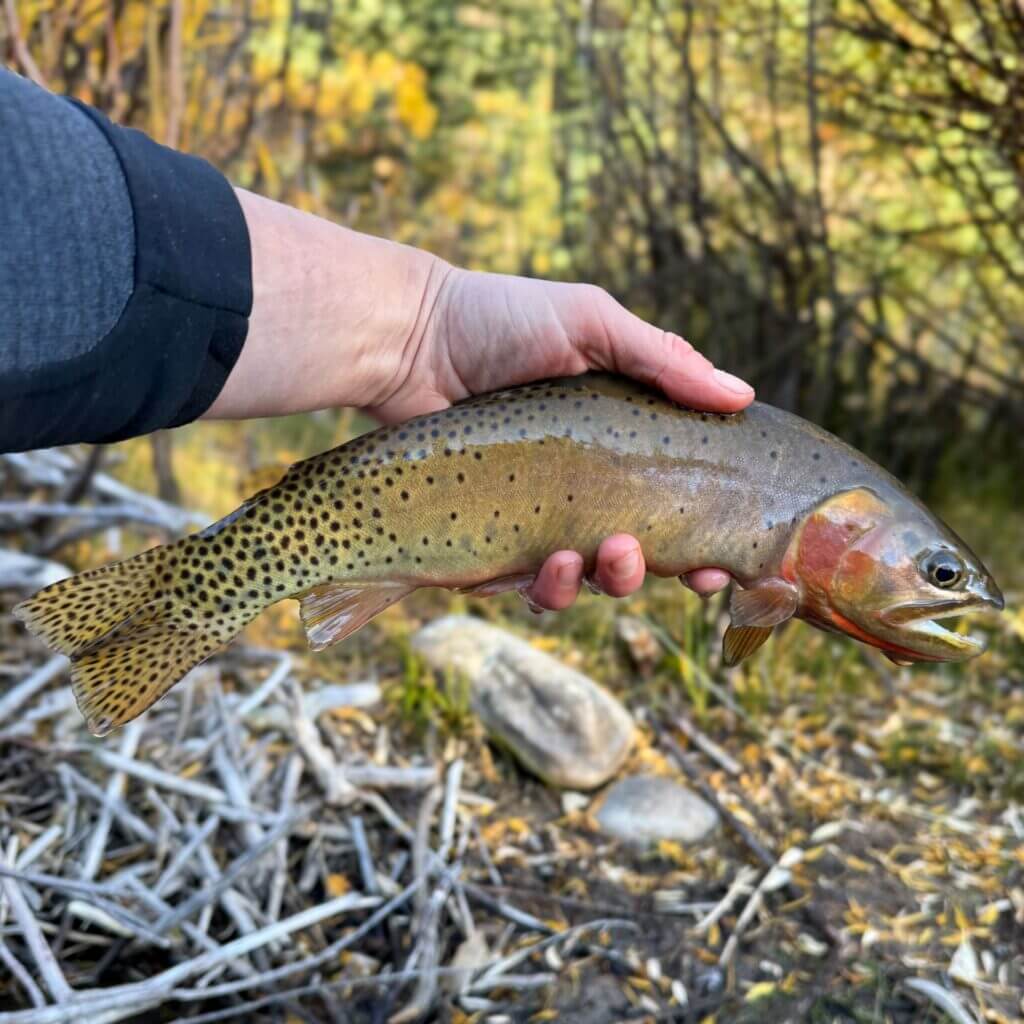
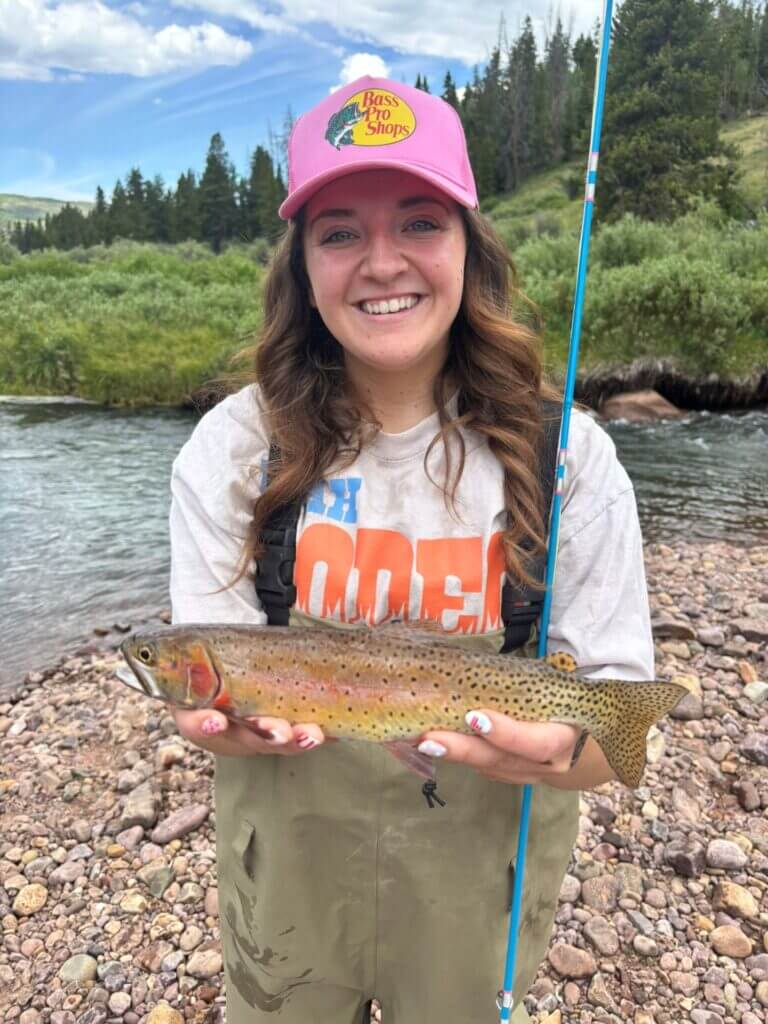
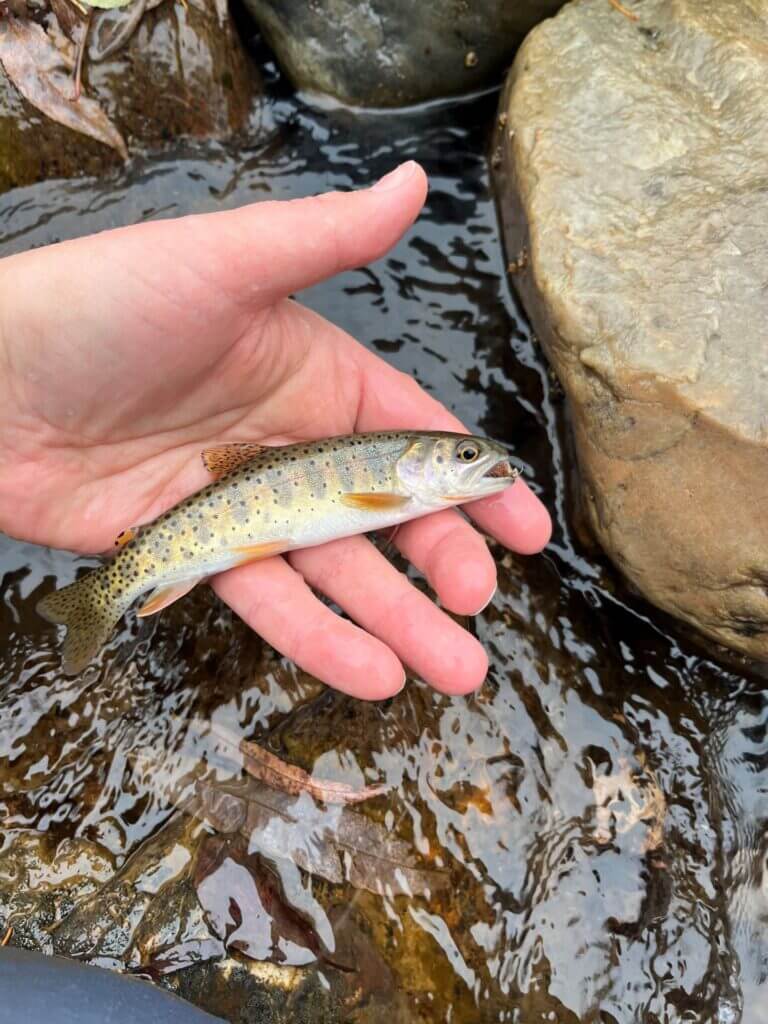
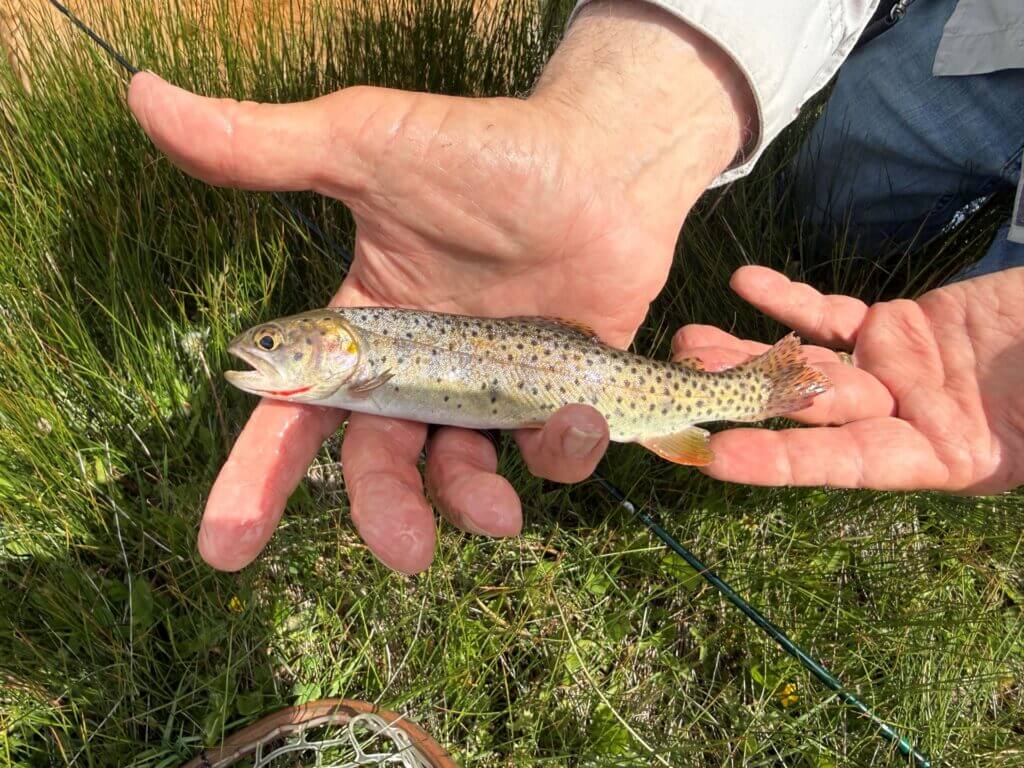
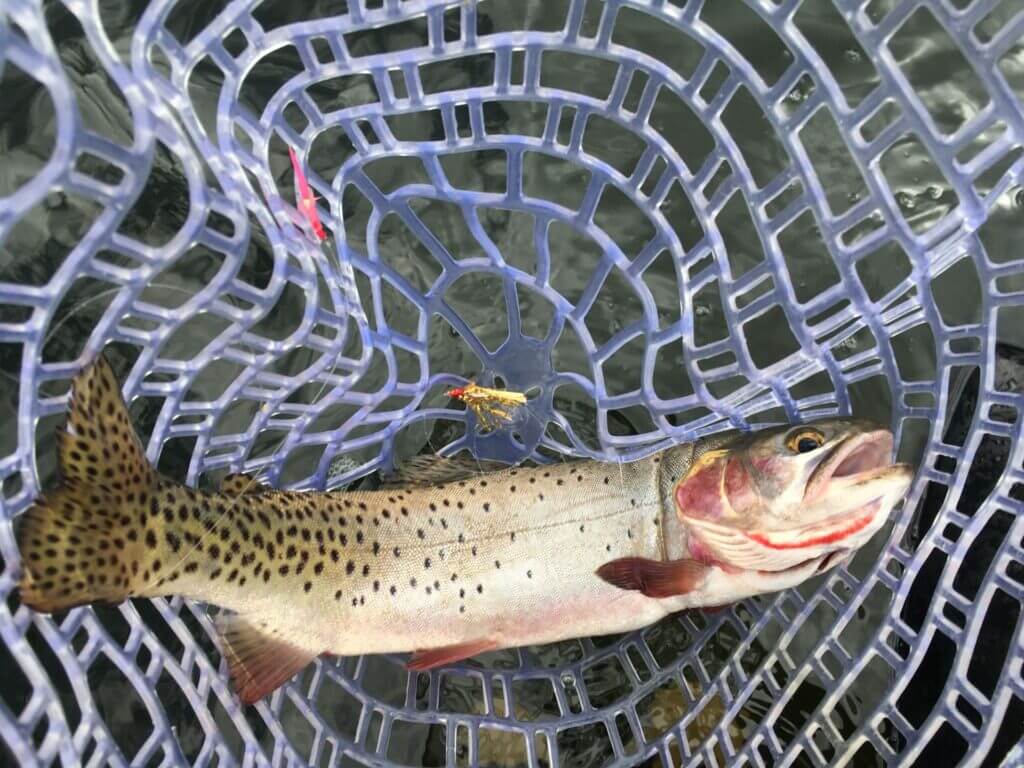
Your photograph should clearly show the trout and enough of its identifying characteristics for Slam officials to determine that it is an eligible cutthroat trout.
A good Slam photograph should:
- Clearly show the entire fish whenever possible
- Display a visible cutthroat slash if possible (though this isn’t always necessary)
- Show enough of the body to evaluate spotting and coloration
- Be reasonably well lit and in focus
- Show the fish being supported or held carefully and naturally
- Avoid obscuring the fish with hands or equipment as much as possible
You do not need to take a perfect trophy shot. See adjacent photos for examples of good cutthroat photographs.
The purpose of the photograph is to document your catch, allow us to correctly identify the trout as a cutthroat, and still allow you to return the fish to the water quickly if catching and releasing.
When in doubt, take the picture. You can always delete it later. You cannot retake the picture after releasing the fish.
8. Consider releasing your fish
Cutthroat trout caught for the Slam are encouraged to be released, but it’s not necessary if waterbody’s regulations allow harvest. Always check the Utah Guidebook before your trip.
The goal of the Utah Cutthroat Slam is to celebrate and conserve Utah’s native cutthroat trout.
Handle every fish with the assumption that its survival matters.
Follow Utah’s fishing regulations, especially where catch and release is required. But be aware that in many of Utah’s waters, cutthroat harvest is allowed. Just be sure to follow Utah’s daily harvest limits according to the water you’re fishing. Be sure to check the Utah Fishing Regulations Guidebook.
8a. Proper Trout Handling
Following a few simple practices can dramatically reduce stress and injury to native trout.
8b. Keep Them Wet
Cutthroat trout are especially vulnerable to stress and handling.
Whenever possible:
- Keep the fish in the water while removing the hook.
- Keep your hands wet before touching the fish so you don’t remove their protective slime coat.
- Minimize the amount of time the fish spends out of the water.
- Return the fish to the water as quickly and gently as possible.
Since you need a picture for the Slam, have the camera ready before lifting the fish from the water.
A quick photograph can be taken without unnecessarily stressing the fish.
8c. Photographing Your Fish
Taking a photograph is an important part of documenting your Slam — but the photograph should never come at the expense of the fish.
Before you lift the fish:
- Have your camera or phone ready.
- Decide where you want the fish positioned.
- Frame the shot.
- Keep the fish in the water until everything is ready.
Then:
- Gently support the fish with wet hands or lift the net
- Keep the fish close to the water.
- Take the photograph quickly.
- Return the fish to the water quickly if catching and releasing.
A good rule:
The fish should spend as little time out of the water as possible.
Whenever practical, photograph the fish partially submerged.
If you are taking a traditional “hero” photograph, hold the fish over the water rather than over rocks, dirt, a dock or the floor of a boat.
That way, if the fish slips, it falls into water instead of onto a hard surface.
Get close
Keep in mind that we use the photos to identify if your submission is actually a cutthroat, so don’t have the fish be too far away from the camera.
8d. Trout Handling Tips
Land Fish Quickly
Prolonged fights can unnecessarily exhaust trout, particularly in warm water or low-oxygen conditions. So be sure to land cutthroat quickly so they can be released quicker.
Consider barbless hooks
Barbless hooks are easier and faster to remove and can reduce handling time and injury to the trout, and possibly to yourself!
Wet your hands
Always wet your hands before handling a trout.
Dry hands can remove the fish’s protective slime coat, which helps protect it from pathogens and infection.
Never squeeze the fish
Support the fish gently rather than gripping it tightly. A rubber net can help with landing the fish without having to grip it.
Avoid putting pressure on the belly or internal organs.
Keep your fingers away from the gills
Never place fingers inside or through the gill cavity or grip a fish by its gill covers.
Keep the fish in the water
Whenever possible, complete the entire unhooking process while the fish remains submerged.
If the hook is deeply embedded, cut the line
If the fish swallows the hook or if it is embedded in the soft tissue at the back of the throat, cutting the line and leaving the hook in place will give the fish a better chance of survival.
Revive exhausted fish
If a fish appears exhausted after the fight, gently hold it upright in the water and allow it to recover.
Do not move the fish aggressively back and forth through the water.
Allow it to regain its strength and swim away under its own power.
What Information Should I Record?
After catching a Slam fish, record the important details while they are fresh.
For each fish, keep track of:
Subspecies
Date caught
Name of the Waterbody, River, or Creek
Nearby city or county name
Photograph of the fish
Take a quick note on your phone immediately after the catch.
A simple note might look like:
Bonneville Cutthroat
June 14, 2026
Mill Creek
Salt Lake City/Salt Lake County
Photo saved to phone
Once you’ve caught all four required cutthroat, click the link below for the Slam Completion Form.
Do not submit your info and a photo after each catch, wait until all four cutthroat subspecies have been caught before submitting the form.
9. How Long Does the Slam Take?
There is no time limit.
The Utah Cutthroat Slam is a lifetime challenge.
Your Slam registration does not expire, so there is no need to rush.
You can complete all four catches in:
- A single weekend
- A few months
- Several years
- Or whenever the adventure takes you
The Slam is about the experience, not how quickly you finish.
Take your time. Explore new places. Learn about Utah’s native trout. Make memories along the way.
Once you have completed a Slam, you can register again, and begin your next Slam, which will likewise have no expiration date.
10. Multiple Slams & Other Challenges
Once you have completed your first Slam, feel free to register again and begin your next Slam adventure!
Each time you complete a Slam, you will receive another medallion and certificate, and your name will be featured on the Slam Completions page of our website. Since there are multiple medallion designs, some anglers choose to repeat the Slam in order to collect them all.
As mentioned in Rule #1, anglers may purchase multiple Utah Cutthroat Slam registrations in advance. However, each Slam is intended to be completed in its entirety before beginning another Slam.
Therefore, a single fishing trip or outing should not be used to complete multiple Slams simultaneously. For example, catching multiple qualifying cutthroat trout at the same location, applying each fish toward a different Slam registration, and then submitting all of the completed Slams at the same time would not be considered a proper way to complete multiple Slams.
However, once you have caught the final required trout for your current Slam, you may begin your next Slam. For example, if your final fish was a Yellowstone cutthroat trout caught after traveling to the Raft River Mountains, you would count that fish toward your current Slam. With that Slam completed, you may then catch another Yellowstone cutthroat from the same stream or another nearby water and use that catch as the beginning of your next Slam, provided you have purchased the subsequent Slam registration before or on the same day.
The intent of this rule is that each Slam represents its own individual pursuit. So in the spirit of the Slam, we hope anglers will complete one Slam before beginning to accumulate catches for the next.
Catches made for the Utah Cutthroat Slam may, however, also be used toward other legitimate multi-state fishing challenges, such as the Western Native Trout Challenge. For example, if you catch a Bonneville cutthroat in Utah, you may use that fish toward both your Utah Cutthroat Slam and the Western Native Trout Challenge, provided it meets the requirements of both challenges.
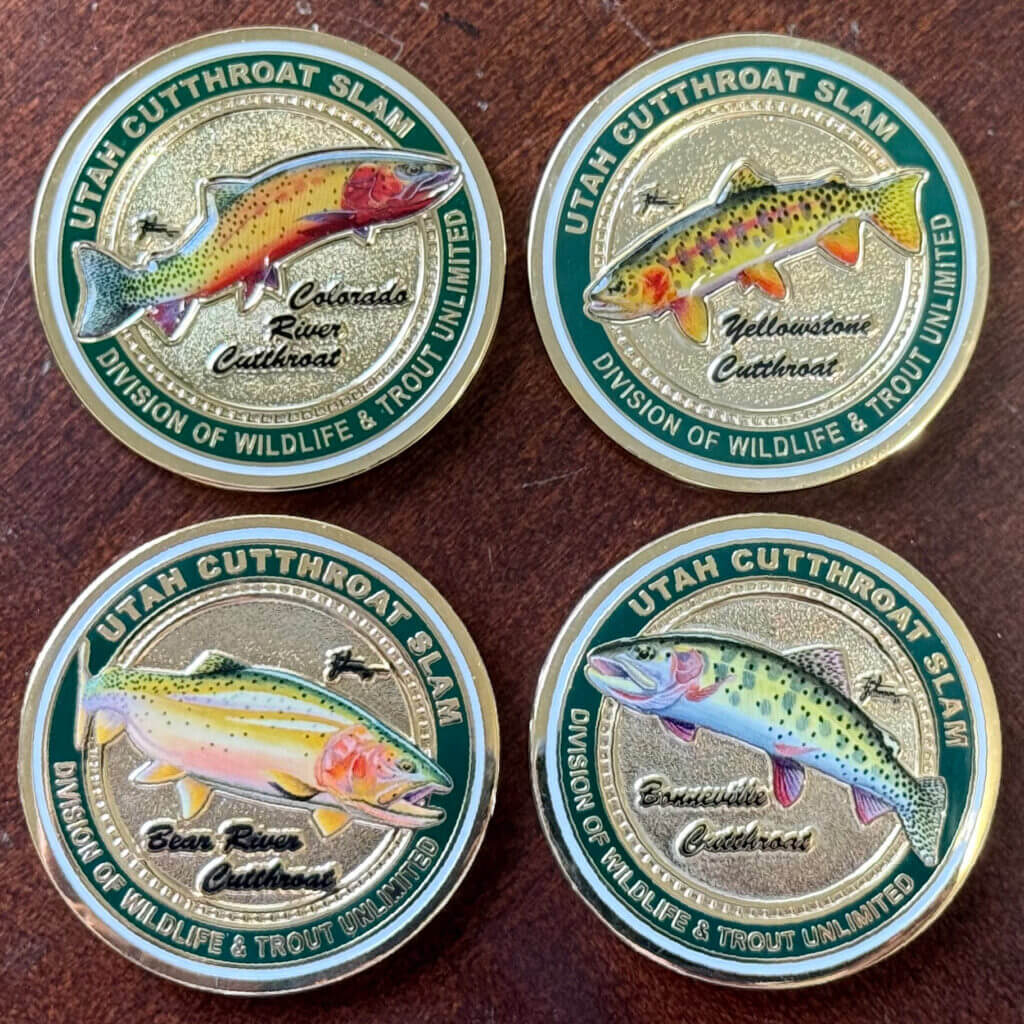
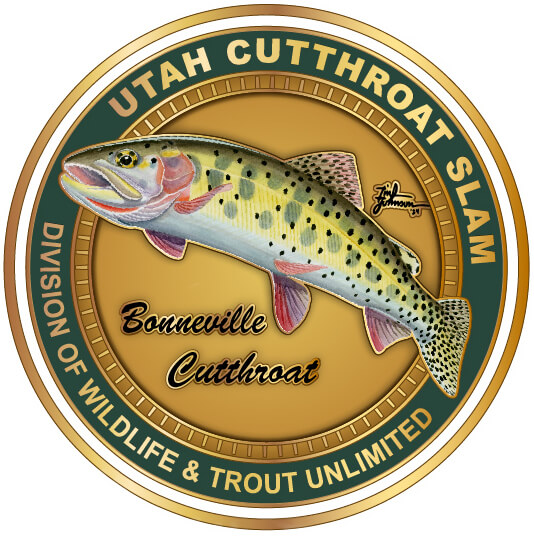
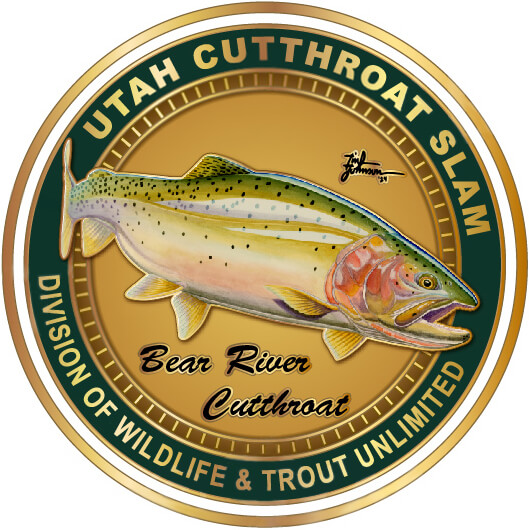
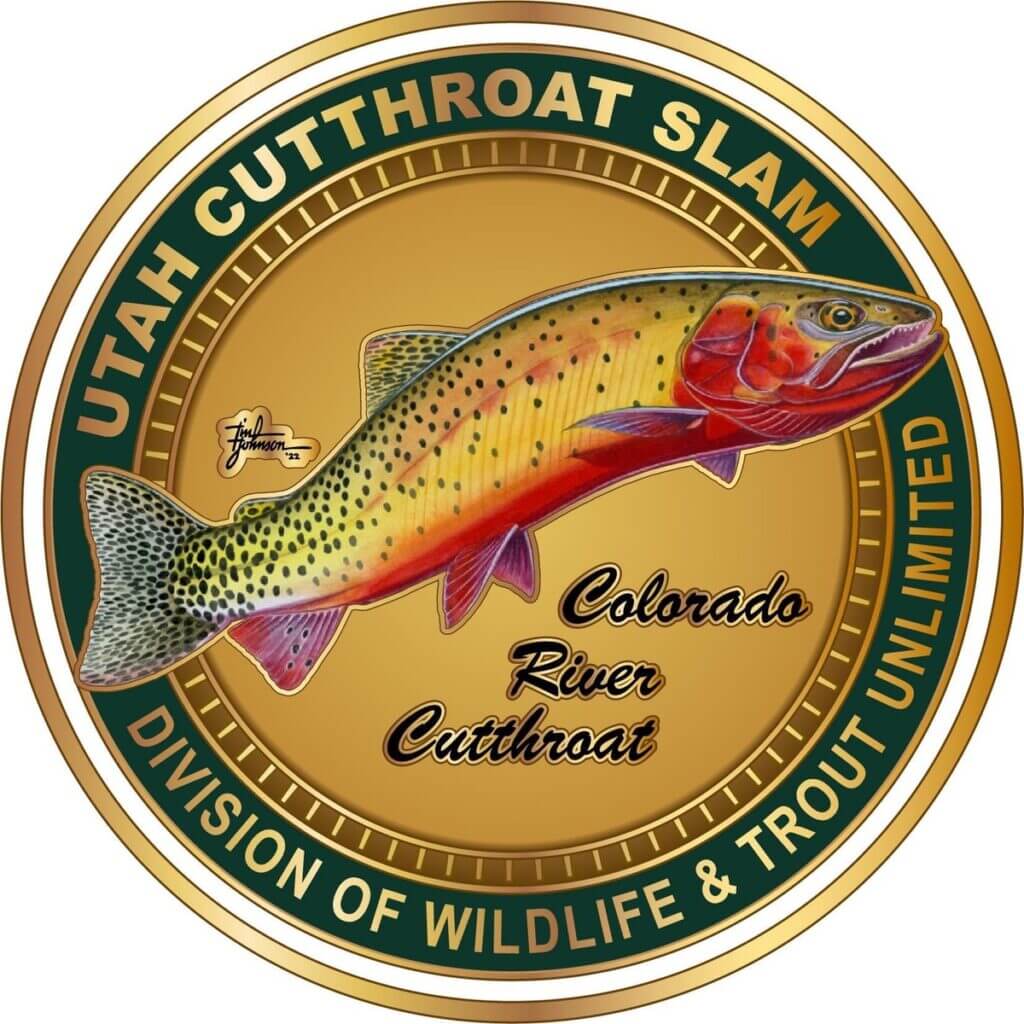
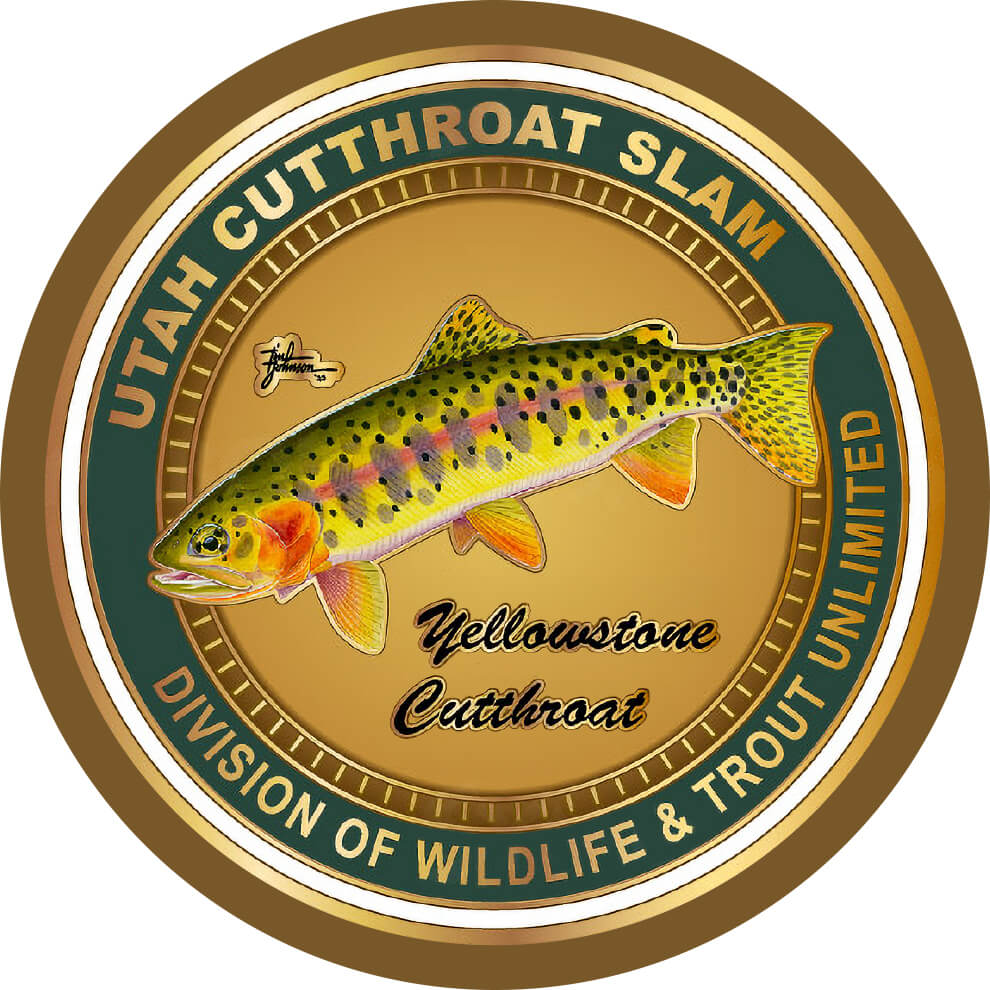
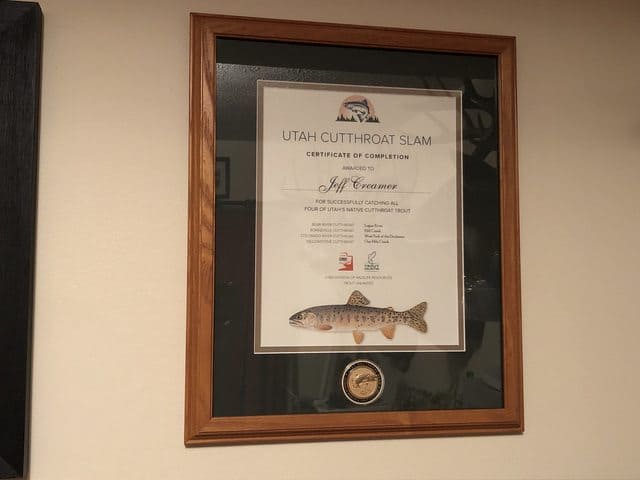
Photos showing the various available medallions, as well as one angler’s framed display of their certificate and medallion (frame not included with Slam completion).
A Suggested Slam Timeline
There is no required order for catching the four subspecies, but the following approach can make planning easier.
Step 1 — Register
Register for the Utah Cutthroat Slam before catching your first Slam fish.
Make sure you also have the appropriate Utah fishing license.
Step 2 — Choose Your First Subspecies
Start with whichever native cutthroat is most accessible to you.
For many anglers, this may be a Bonneville cutthroat close to the Wasatch Front.
For others, the Slam begins with a road trip into the mountains or southern or eastern Utah.
There is no required order.
Step 3 — Study the Native Range
Before every trip:
- Identify the subspecies you are pursuing.
- Check the Utah Cutthroat Slam native-range map.
- Research the specific waterbody.
- Confirm public access.
- Check the current Utah Fishing Guidebook.
- Check for seasonal closures or special regulations.
- Prepare appropriate tackle.
Remember that the Slam map is a general guide to native ranges, not a guarantee that fish will be present at a particular location.
Step 4 — Go Fishing
Enjoy the process.
The four subspecies inhabit dramatically different environments, and the journey to find them is part of what makes the Slam special.
You may find yourself fishing:
- High-elevation mountain streams
- Remote wilderness creeks
- Desert rivers
- Alpine lakes
- Large reservoirs
- Small spring-fed streams
- Waters just minutes from Utah’s cities
Step 5 — Catch & Photograph Trout
When you catch a potential Slam fish:
Catch → Identify → Photograph → Release if Required/Desired
Keep the fish wet, handle it carefully and take your photograph quickly.
If you are uncertain about the identification, take additional photographs that clearly show the fish’s head, jaw, fins and body.
Step 6 — Record Your Catch
Either Immediately or soon after, be sure to record:
What: Subspecies
Where: Waterbody
When: Date
Proof: Photograph
Keeping good records makes the final submission much easier.
Step 7 — Repeat
Continue until you have documented:
- Bonneville Cutthroat
- Bear River Cutthroat
- Colorado River Cutthroat
- Yellowstone Cutthroat
11. You’re Ready to Submit!
Once you have caught all four subspecies, gather your photographs and catch information and submit your Slam completion.
As of reaching 2,000 completed slams, we now offer anglers the opportunity to choose which of the 4 subspecies medallions they would like to receive. You will see an option for this on the final page of the completion form.
Your submission will be reviewed to verify that the photographs and locations meet the requirements of the Utah Cutthroat Slam.
Once approved, you will receive your official Slam recognition, certificate and commemorative medallion.
And, of course, bragging rights.
Helpful Resources
- Native Cutthroat Trout Map — Find the historic ranges of Utah’s four native cutthroat subspecies.
- Bonneville Cutthroat Trout — Learn about Bonneville cutthroat and where to find them.
- Bear River Cutthroat Trout — Learn about Bear River cutthroat and their native waters.
- Colorado River Cutthroat Trout — Learn about Colorado River cutthroat and their native waters.
- Yellowstone Cutthroat Trout — Learn about Utah’s native Yellowstone cutthroat.
- Cutthroat Identification Guide — Learn how to distinguish cutthroat from other trout and recognize potential hybrids.
- Utah Fishing Guidebook — Check the current regulations before every fishing trip.
- Submit Your Completed Slam — Submit your photographs and information after catching all four subspecies.
One Last Thing
There is no single “right” way to complete the Utah Cutthroat Slam.
Some anglers will hike miles into the backcountry. Others will fish waters close to home. Some will finish in a weekend. Others will take years.
Some will chase tiny wild trout in mountain streams. Others will find themselves on a lake fishing from a boat.
Anglers will approach the slam with traditional bait and tackle, while others use fly fishing or Tenkara rods and flies.
However you choose to do it, we hope the Slam gives you a reason to explore Utah, learn about its native trout and become a better steward of the places they call home.
Good luck, have fun, and tight lines.
Ready to Start Your Slam?
The Utah Cutthroat Slam is a challenge and an adventure. Visit incredible waters to see what trout fishing in Utah was like way back then. Help Trout Unlimited and the Utah Division of Wildlife Resources restore and protect Utah’s incredible trout legacy and have fun along the way.